
Books and games have always shared a natural connection. Both rely on strong world-building, memorable characters, and stories that pull you in and refuse to let go. Over the years, developers have approached literary adaptations in different ways: some recreate beloved stories directly, others explore familiar universes from new angles, and some draw inspiration from literature without adapting a specific book. Together, they show how flexible and creative book-based games can be.
Direct Adaptations
Some games aim to bring the pages of a book to life as faithfully as possible, translating its plot, tone, and characters into interactive form.
The Discworld adventure games adapt Terry Pratchett’s satirical fantasy novels with care and wit. Packed with wordplay, absurd situations, and distinctly British humor, they feel like interactive extensions of the books rather than loose spin-offs.
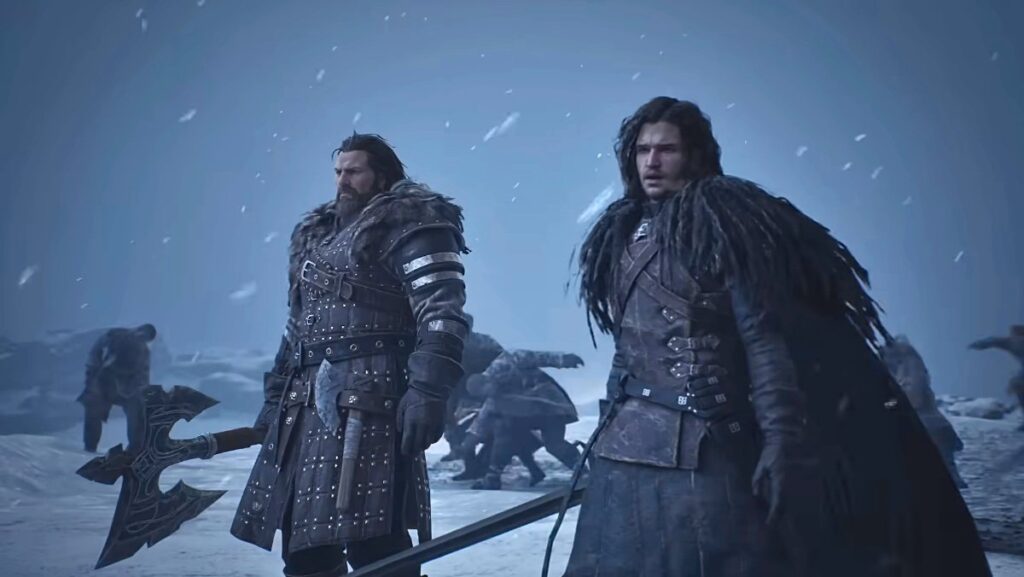
The Game of Thrones adaptation takes a narrative-focused approach, retelling events from George R. R. Martin’s novels through multiple character perspectives. Rather than covering the entire saga, it zeroes in on political tension, moral compromise, and the brutal consequences that define the books.
Early Harry Potter games also fall into this category, especially those tied closely to individual novels. They let players step into key moments from the books, exploring Hogwarts and reliving major story beats with an emphasis on discovery and magic.
I Have No Mouth, and I Must Scream adapts Harlan Ellison’s short story into a disturbing point-and-click adventure. With Ellison involved in the script, the game expands the original premise while preserving its psychological horror, using player choice to deepen its themes rather than soften them.
Games Set In Book Universes
Rather than retelling a book’s plot, many games choose to tell new stories within an established literary world.
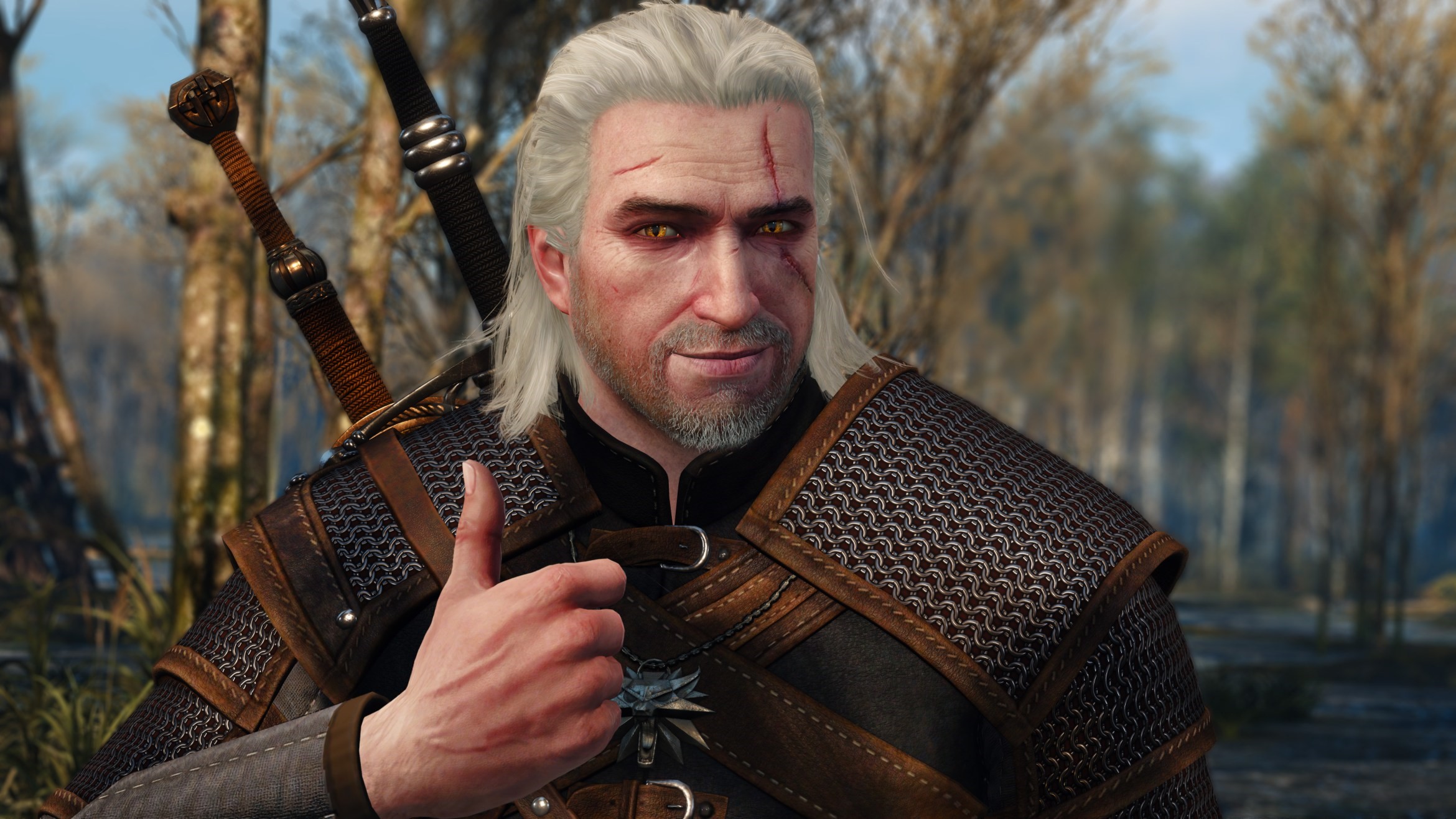
The Witcher series is a standout here. While based on Andrzej Sapkowski’s novels, the games don’t adapt the books directly. Instead, they continue the story, building on the characters, politics, and moral ambiguity of the original world. This approach gave the developers freedom while still respecting the source material, helping the series grow into one of gaming’s most respected franchises.
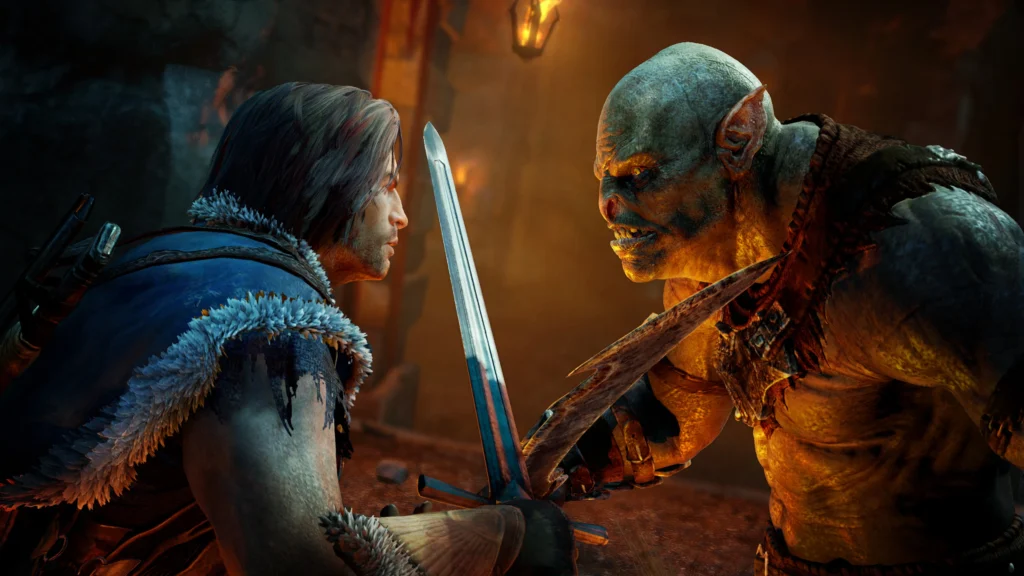
Middle-earth: Shadow of Mordor and Shadow of War take a similar approach with Tolkien’s universe. The games introduce new characters and conflicts while weaving them into familiar lore. Though controversial among purists, the result is a bold reinterpretation that expands the setting in unexpected ways.
The Expanse: A Telltale Series offers a narrative-driven take on James S. A. Corey’s universe, focusing on character relationships and political tension. It shows how episodic storytelling can complement the depth of a novel series.
Literary Inspiration
Some games don’t adapt a specific book at all, but their DNA is unmistakably literary.
Sunless Sea and Sunless Skies draw heavily from gothic fiction and Lovecraftian horror. Their writing-first approach, dense lore, and emphasis on atmosphere feel closer to interactive novels than traditional games.
Pathologic is another example, inspired by existential and philosophical literature rather than a single text. Its abstract storytelling, unreliable narration, and focus on moral discomfort make it feel like a challenging novel you play rather than read.

Even classics like Planescape: Torment owe much of their impact to literary ambition. Its dense dialogue and philosophical themes echo fantasy and speculative fiction traditions more than typical game narratives.
Why Book-Based Games Work So Well
Books offer ready-made worlds filled with history, conflict, and meaning. Games, in turn, add agency. When done right, adapting literature isn’t about copying every plot point, but about letting players live inside the ideas that made the book memorable in the first place.
Whether faithful adaptations, original stories set in familiar worlds, or games shaped by literary sensibilities, the best book-based games prove that great storytelling can thrive across mediums — especially when players are invited to take part in it.